Wow it has been a while. Part of it was being broke, I did not have much in the way of exploration to be sharing, then I got a job and things got busy. So my early New Year's Goal is to actually update this thing once a week or so.
Today I am going to talk about Anchor's Christmas Ale 2010. This one actually snuck up on me. I was sort of keeping an eye out for it, and lucked into the last six pack that Full Throttle Bottles had. I wanted to get a couple of them for a project that I am launching, but I had to settle for what I could get. The project is to keep an inventory of the Christmas Ale from year to year, allowing it to age and do vertical tastings each year.
I got this idea from my friend Marc Gaspar. He was an incredible brewer and a very kind mentor. When I first started going to meetings at Kansas City Bier Meisters homebrew club, Marc would always be willing to taste my beer with me. He would then give pointers as to what we were tasting. What the problems were, and offered suggestions on how to fix them. He made me a much better brewer and never made me feel bad about my early efforts.
In any event, when they cleaned out Marc's beer cellar they brought it down to the memorial we held for him. In among the bottles of homebrew there were several years worth of Anchor Christmas Ale. This is interesting for a couple of reasons. First, Anchor changes the spices they add to the beer each year. They don't go over the top, just enough to give it a unique character from year to year. Second, being a dark beer it does age quite nicely. Marc inspired me to begin my own project this year. I only have one six pack at the moment, and I drank one of those as we will see below. I want to get my hands on at least one more six pack to age around 10 for the base of the project.
Here are my tasting notes from bottle I drank tonight.
Aroma: Dark roasted malt, low hop aroma, caramel notes and faint spice.
Appearance: Dark brown with ruby highlights, tan head with medium persistance and a fine texture.
Flavor: Bitter roasted malt. Notes of orange, chocolate malt. Light hop flavor, variety does not show. Warming alcohol, Clove? Grains of Paradise? Aftertaste fades from lingering bitterness into coffee flavors. As it warms it presents more malt sweetness, some sour twang, and faint anise flavors.
Mouthfeel: Medium carbonation, light body with some astringincy.
Over All Impression: Unlike many winter warmer and Christmas beers, Anchor's Christmas Ale is a standard 5.5% ABV. This helps to keep it from being too filling to drink more than one at a time, and may make it harder to age. The tannins should help this beer age gracefully, much like they do in big red wines. It will be interesting to see how this beer compares back to these notes over the next few years.
On a more personal note, I am now employeed so I hope to be able to get out and expereince what Seattle has to offer in the future. I have attened many things I should have shared with you, such as the Cider Festival and the Winter Beer Festival, but life was sort of crazy at the time. I said early my New Year's Goal was to update this more often. Note I did not say Resolution, the only one of those I ever kept was to quit making them. Now I set goals for the year to come. Sometimes I do alright, sometimes I suck.
Showing posts with label beer tasting. Show all posts
Showing posts with label beer tasting. Show all posts
Tuesday, December 28, 2010


Thursday, June 3, 2010
The Right Tool for the Job
I always knew that tasting beer in the right glass made a difference in how it tasted. However until tonight I never knew just how significant a difference there really was. This evening I was lucky enough to attend the Spiegelau Beer Glass Tasting at Boulevard Brewing here in Kansas City. The event consisted of tasting several beer in the standard Shaker Pint, along side the same beer in the correct glass.
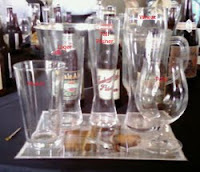 The event got started with a everyone finding a seat and finding these five glasses on the table. The guy from Spiegelau talked for a while about the differences between the standard Shaker Pint and their glassware. Two of the points I think are most relevant are the relative amount of iron oxide in the source material and the smoothness of the glass surface. Typical glass has around 500 ppm of iron oxide in it. This is what is responsible for the greenish/bluish tint you see in window and auto glass when looking at the edge. The source material for Spiegelau has only around 80 ppm of iron oxide in it. This results in a much more true color of the beer in the glass, which you will see in some of the images below. The relative smoothness of the glass also keeps the carbon dioxide in solution rather than providing nucleation sites for the release of the gas from the beer. The result is the mouthfeel of the beer is much better with these glasses. Another point made is that some breweries are selling glassware made specifically for their beer. The problem being is that the glass is then not good for much else. I have a couple of the Sam Adams glasses and they are not good for serving other types of beer as the features they specifically designed for their product, work against other beers.
 The first beer we sampled in these glasses was Boulevard Pilsner. These two glasses were poured from the same bottle at the same time. If you notice the color of the beer in the Shaker Pint looks ever so slightly green compared to the Tall Pilsner glass. You will also notice that the shape of the Shaker does not support the thick head that is in the Tall Pilsner either. Smelling the beer in each glass showed a difference as well. The beer in the shaker pint had a faint grainy quality and some small amount of hops. The beer in the pilsner glass however had a much richer grain aroma, I could detect the malt and a slight bit of green apple from lingering diacytl. But the real difference was in the hop aroma. The hops in the pilsner glass were very floral and had a discernible Noble Hop character with some spiciness. There was a difference in flavor as well. The beer in the shaker pint tasted somewhat flat and was warmed by the thick glass absorbing all of the cold from the beer. The pilsner glass on the other hand is quite thin so it does not suck the cold from the beer as quickly. Also the carbonation came out in your mouth so the beer was quite spritzy on the tongue and the carbonation carried the hop aroma into the nose and brought out the flavor more. The difference was really amazing.
 Next up was the Unfiltered Wheat. I had to contain myself when the woman next to me started asking if there were any lemon slices available, but I digress. Once more you can see there is a decidedly greenish tint to the beer in the shaker pint as compared to the Wheat Beer glass. The differences in the head retention are there as well. There was a similar difference in the aroma of the beers, with the Wheat Beer glass giving a lot more of the subtle notes than the shaker did. The Wheat Beer glass also preserved the carbonation so it would come out on the tongue and enhance the beer flavor and aroma in the mouth.
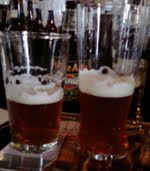 When we poured the Boulevard Pale Ale the color difference was not as pronounced, but this is mainly due to the darker color of the beer. There was more of a difference to the naked eye than in this photo, but if you look carefully you will see the greenish tinge is still there. The glass that was used here was what Spiegelau calls a "Lager" glass, the rep said it was for non-pilsner lagers, pale ales, and IPAs. This is probably the glass that most resembles the traditional shaker pint, but that is just superficial. The differences in the aroma and flavor are quite distinct. You will also notice the lacing on the shaker pint from where the head rose up as the carbon dioxide came out of solution, but then collapsed fairly quickly as well. The color of the beer in the Lager glass was also much more ruby than the brown of the shaker pint.
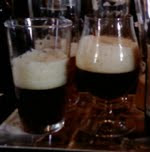 Sixth Glass is really where the differences in glassware came into full focus. The photo does not due justice to the color of the beer, but the beer in the shaker pint was brown, almost the color of a brown ale, while in the Tulip glass it was a deep ruby color with copper highlights. Sixth Glass is a fairly carbonated Belgian style quad so the difference in the head is not as large as the other beers, plus I think the hop oils from the other beers were taking up some of the nucleation sites at this point despite rinsing after each beer. The aroma was also an incredible difference. In the shaker pint the beer smelled of faint alcohol, a little caramel and faint hops. In the Tulip glass the alcohol was warm and there were notes of caramel and dried fruit along with the floral hops and biscuity malt. The flavor was much better too since there was plenty of carbonation to carry flavors and aroma around the mouth and sinuses. Plus the shape of the glass puts your nose right into the heart of the aroma as you take a sip. Honestly Sixth Glass was not a favorite beer of mine, but this presentation gave me a new appreciation for it.
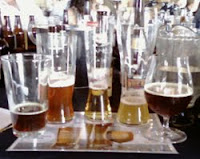 At the end I went back and tried the dregs of the prior beers that were waiting in the Spiegelau glasses. They all were still carbonated and nice to drink. They had warmed a bit, but not nearly as much as the beers that were poured into the shaker pint. The best part of the event is that we got to keep our sampling glasses from Spiegelau. A quick word about them, they are owned by the Riedel people and have been in business for a very long time as a family firm. The glasses are intended for the commercial market so they are dishwasher safe and fairly robust for the thin glass would lead you to think. They also were selling glasses at a discount at the event. But since you had to order, then wait 30 days for delivery and then pick them up at the brewery I figured I would spend more getting them sent to me than if I ordered them directly from Amazon. If you get the chance to do something like this I highly recommend that you do. I plan on running this demo for a few friends in the near future to get them to upgrade their glassware.
 The event got started with a everyone finding a seat and finding these five glasses on the table. The guy from Spiegelau talked for a while about the differences between the standard Shaker Pint and their glassware. Two of the points I think are most relevant are the relative amount of iron oxide in the source material and the smoothness of the glass surface. Typical glass has around 500 ppm of iron oxide in it. This is what is responsible for the greenish/bluish tint you see in window and auto glass when looking at the edge. The source material for Spiegelau has only around 80 ppm of iron oxide in it. This results in a much more true color of the beer in the glass, which you will see in some of the images below. The relative smoothness of the glass also keeps the carbon dioxide in solution rather than providing nucleation sites for the release of the gas from the beer. The result is the mouthfeel of the beer is much better with these glasses. Another point made is that some breweries are selling glassware made specifically for their beer. The problem being is that the glass is then not good for much else. I have a couple of the Sam Adams glasses and they are not good for serving other types of beer as the features they specifically designed for their product, work against other beers.
 The first beer we sampled in these glasses was Boulevard Pilsner. These two glasses were poured from the same bottle at the same time. If you notice the color of the beer in the Shaker Pint looks ever so slightly green compared to the Tall Pilsner glass. You will also notice that the shape of the Shaker does not support the thick head that is in the Tall Pilsner either. Smelling the beer in each glass showed a difference as well. The beer in the shaker pint had a faint grainy quality and some small amount of hops. The beer in the pilsner glass however had a much richer grain aroma, I could detect the malt and a slight bit of green apple from lingering diacytl. But the real difference was in the hop aroma. The hops in the pilsner glass were very floral and had a discernible Noble Hop character with some spiciness. There was a difference in flavor as well. The beer in the shaker pint tasted somewhat flat and was warmed by the thick glass absorbing all of the cold from the beer. The pilsner glass on the other hand is quite thin so it does not suck the cold from the beer as quickly. Also the carbonation came out in your mouth so the beer was quite spritzy on the tongue and the carbonation carried the hop aroma into the nose and brought out the flavor more. The difference was really amazing.
 Next up was the Unfiltered Wheat. I had to contain myself when the woman next to me started asking if there were any lemon slices available, but I digress. Once more you can see there is a decidedly greenish tint to the beer in the shaker pint as compared to the Wheat Beer glass. The differences in the head retention are there as well. There was a similar difference in the aroma of the beers, with the Wheat Beer glass giving a lot more of the subtle notes than the shaker did. The Wheat Beer glass also preserved the carbonation so it would come out on the tongue and enhance the beer flavor and aroma in the mouth.
 When we poured the Boulevard Pale Ale the color difference was not as pronounced, but this is mainly due to the darker color of the beer. There was more of a difference to the naked eye than in this photo, but if you look carefully you will see the greenish tinge is still there. The glass that was used here was what Spiegelau calls a "Lager" glass, the rep said it was for non-pilsner lagers, pale ales, and IPAs. This is probably the glass that most resembles the traditional shaker pint, but that is just superficial. The differences in the aroma and flavor are quite distinct. You will also notice the lacing on the shaker pint from where the head rose up as the carbon dioxide came out of solution, but then collapsed fairly quickly as well. The color of the beer in the Lager glass was also much more ruby than the brown of the shaker pint.
 Sixth Glass is really where the differences in glassware came into full focus. The photo does not due justice to the color of the beer, but the beer in the shaker pint was brown, almost the color of a brown ale, while in the Tulip glass it was a deep ruby color with copper highlights. Sixth Glass is a fairly carbonated Belgian style quad so the difference in the head is not as large as the other beers, plus I think the hop oils from the other beers were taking up some of the nucleation sites at this point despite rinsing after each beer. The aroma was also an incredible difference. In the shaker pint the beer smelled of faint alcohol, a little caramel and faint hops. In the Tulip glass the alcohol was warm and there were notes of caramel and dried fruit along with the floral hops and biscuity malt. The flavor was much better too since there was plenty of carbonation to carry flavors and aroma around the mouth and sinuses. Plus the shape of the glass puts your nose right into the heart of the aroma as you take a sip. Honestly Sixth Glass was not a favorite beer of mine, but this presentation gave me a new appreciation for it.
 At the end I went back and tried the dregs of the prior beers that were waiting in the Spiegelau glasses. They all were still carbonated and nice to drink. They had warmed a bit, but not nearly as much as the beers that were poured into the shaker pint. The best part of the event is that we got to keep our sampling glasses from Spiegelau. A quick word about them, they are owned by the Riedel people and have been in business for a very long time as a family firm. The glasses are intended for the commercial market so they are dishwasher safe and fairly robust for the thin glass would lead you to think. They also were selling glasses at a discount at the event. But since you had to order, then wait 30 days for delivery and then pick them up at the brewery I figured I would spend more getting them sent to me than if I ordered them directly from Amazon. If you get the chance to do something like this I highly recommend that you do. I plan on running this demo for a few friends in the near future to get them to upgrade their glassware.
Subscribe to:
Posts (Atom)